
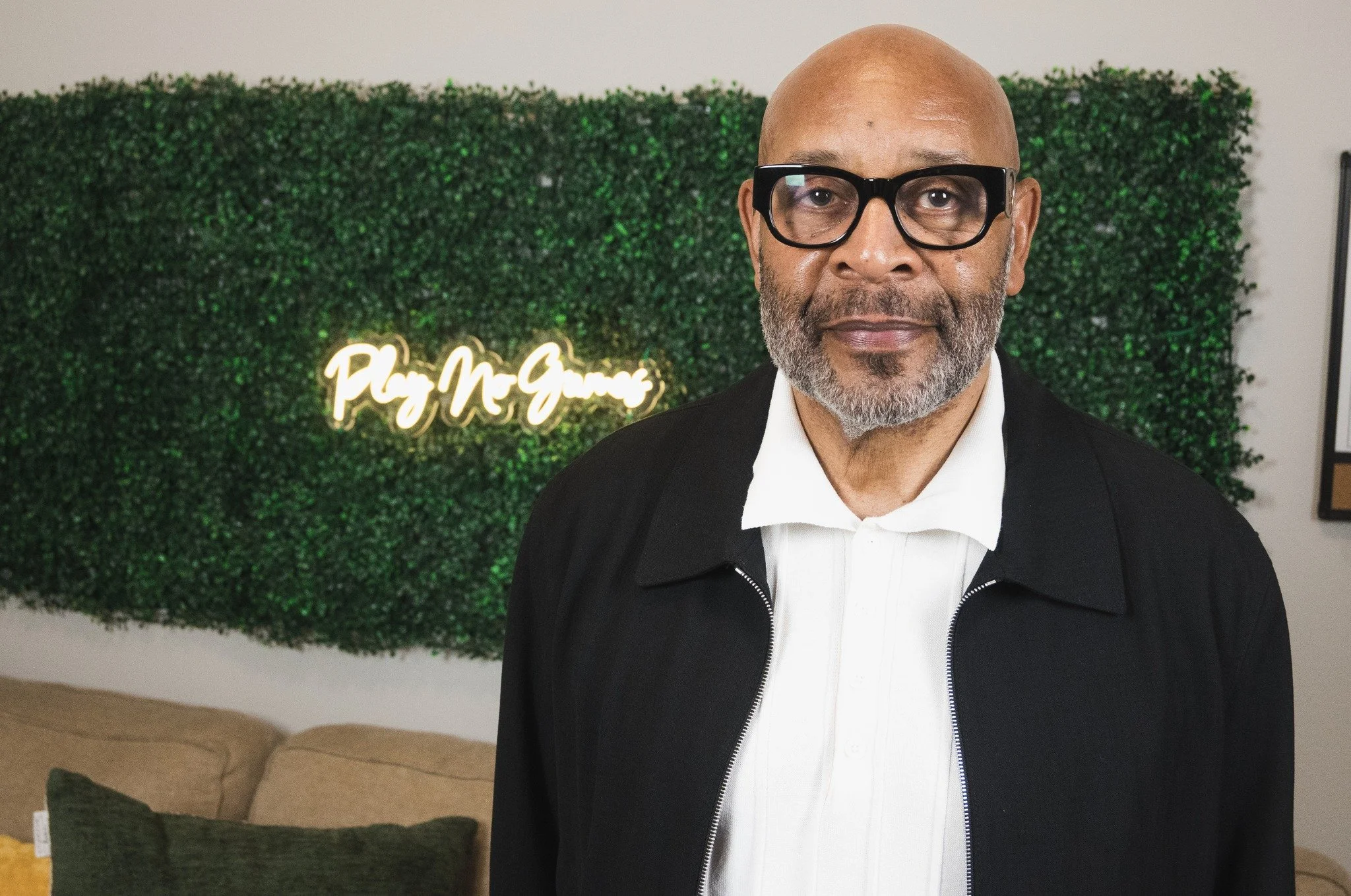
This Black History Month, we honor a founder who has made a lasting impact in Portland — through the organization he started for Black youth and families and as a driving force behind establishing the Coalition of Communities of Color 25 years ago.
Tony Hopson Sr. sat down with us to reflect on his upbringing, the shifts that transformed culturally specific services, and why working across racial lines matters more than ever.
Before the Coalition
Growing up as an African American man in Portland, Tony Hopson Sr. witnessed many of the systemic inequities his neighborhood in Albina experienced, from seeing his friends and family displaced by the construction of I-5 and the expansion of Emanuel Hospital to experiencing racism in sports and schools while attending Jefferson High School.
Courtesy of SEI.
What was once a thriving community for Black families and businesses, resiliently shaped by Portland’s racist housing practices, is now a symbol of gentrification, displacing the legacy of progress built by Black Portlanders.
These experiences shaped his understanding of policies that strip opportunity away from communities of color and fueled his dedication to serve his community. After founding Self Enhancement, Inc. (SEI) in 1981, he focused on creating real pathways of progress for predominantly Black and underserved youth and families.
But there was a problem – one that he would face year after year.
In the ’90s and early 2000s, Hopson Sr. recalls a much different landscape for culturally specific community-based organizations than what exists today. During that time, many organizations, including his own, struggled to secure sustainable funding. Limited resources and systemic barriers often put these groups in direct competition with each other, even though their communities shared many of the same issues.
““Black folks was working with Black folks, Latino folks working with Latino folks,” said Hopson Sr. “You didn’t have folks walking across racial lines [as much] and bringing folks of color together.”
”
Eventually, after finding himself time and again in the same room with the same leaders advocating for the same resources for their communities, they realized something needed to change. Instead of allowing themselves to be pitted against each other, they realized they had more power by working together.
“Sometimes out of adversity comes new ideas, new opportunities,” said Hopson Sr.
The solution? Cross-cultural, collective action.
Changing the game
Before the Coalition of Communities of Color formally organized in 2001, the early leaders and founders of the group pushed forward to address funding challenges and a lack of recognition. They intentionally decided to stick together and work as a collective. Even when that meant taking a smaller slice of the pie so others could have some too, they knew their impact would be far greater together than acting alone.
“It took leadership. It took people willing to think beyond their own agencies and communities,” said Hopson Sr.
At that time, the idea of services created by and for the communities they served was still new and uncommon. An early and “game-changing” win for CCC was having “culturally specific services” adopted as a funding concept and eventually as a budget line at Multnomah County. This created a shift that allowed culturally specific services to be provided by community-based organizations rather than mainstream providers who don’t have as deep roots in the community.
But creating change did not come without tension. “You needed some truth-tellers,” he said. It required people willing to speak hard truths, even when it created friction or challenged the status quo.
““I don’t know much of the gains that any of us folks of color have made without controversy,” said Hopson Sr. ”
More Important than ever
When reflecting on CCC today and the last 25 years of collective action, three words come to mind:
“Impactful. Relevant. Necessary.”
SEI continues to be an active member of the coalition, with their Director of Community and Family Programs, Melissa Hicks, sitting on our Board of Directors. Our past collaboration on advocating for issues like housing and supportive services has helped expand housing opportunities and essential culturally specific services in our historically underserved neighborhoods. Currently, we are working closely with SEI’s Education Co-Op members to enhance data collection, practices, and utilization, and to strengthen pathways for creating their own community-led data ecosystem.
In the face of both new and longstanding attacks on communities of color, Mr. Hopson Sr. believes the Coalition’s role is more important than ever. What has always set it apart is its intentional commitment to working across cultural and racial lines — seeing the bigger picture and moving forward together.
“When you go as an individual, it’s easy for them to silence you. When you go as a coalition, they can’t take everybody out.”